Before an autumn weekend, the stove in a holiday cottage may require different preparation than a device used daily. A long break makes it easy to overlook moisture or changes in the connection. Start by inspecting the cold system and checking its instructions before planning to heat the room.
Examine the effects of the break
Look at the accessible interior, doors, and enclosure. Highlight signs of water, loose parts, and changes compared to previous photos. Add information about how the cottage was stored and previous work that could have altered the stove's surroundings.
Also check the required condition of the flue and access for inspection. Visible cleanliness of the fireplace does not describe the hidden interior of the chimney. Plan any repairs after identifying the specific location and cause of its damage.
Each detail has its own material
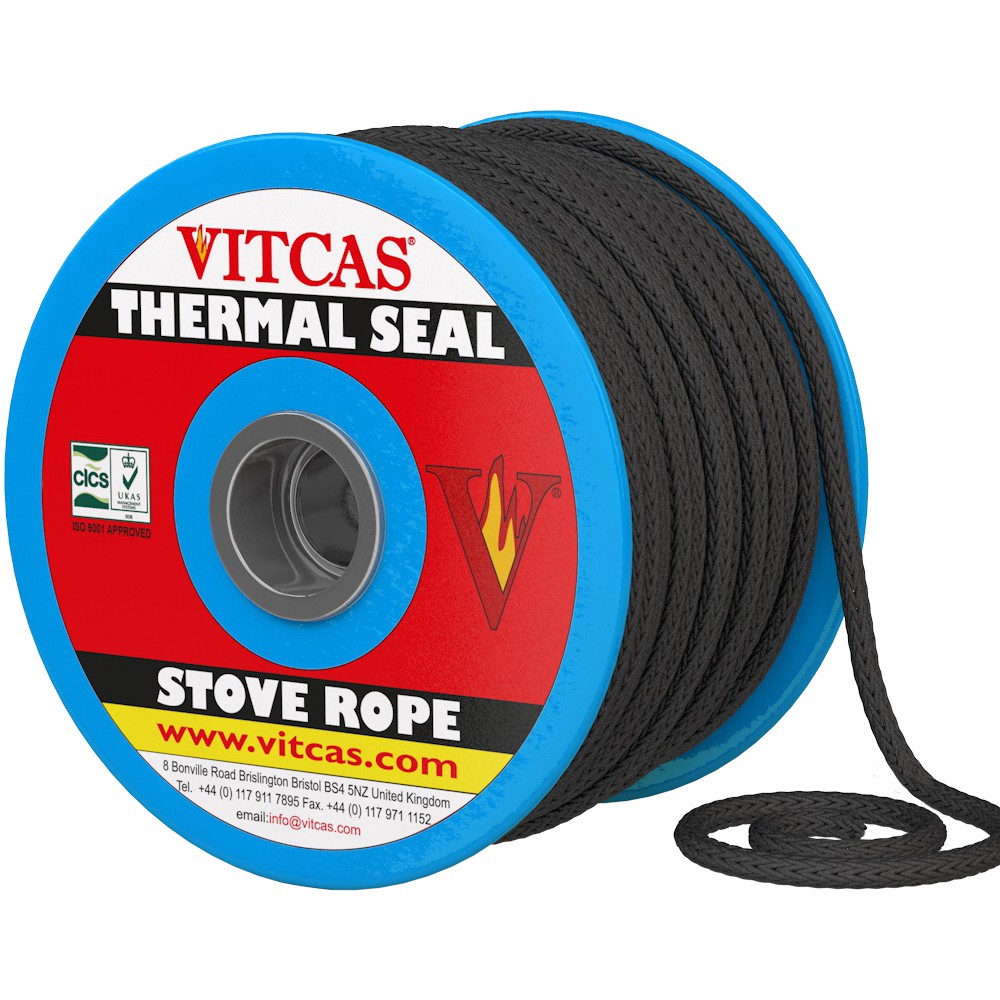
Black stove rope is selected according to the frame, groove, and intended compression. A thicker format does not automatically fix crooked doors. Inspect the corners and the way it closes without increasing handle force.
Premium Fire Cement is intended for minor indoor repairs, without prolonged contact with moisture. Flue Cement has separate applications with compatible ceramic elements of the flue. Do not replace products between these places just because both are heat resistant.
Plan readiness before arrival
Separate the required cleaning from tasks related to setting and drying materials. Take into account the recommended preparation of the equipment for reuse. Repairs carried out only just before the needed heating may not leave time for all the stages.
Record the performed actions, products, and dates. After the intended use and cooling, compare the repaired areas again. Such a history will help identify changes on the next return to the cabin instead of selecting the material each time according to a random mark on the surface.